1. Why Japan?
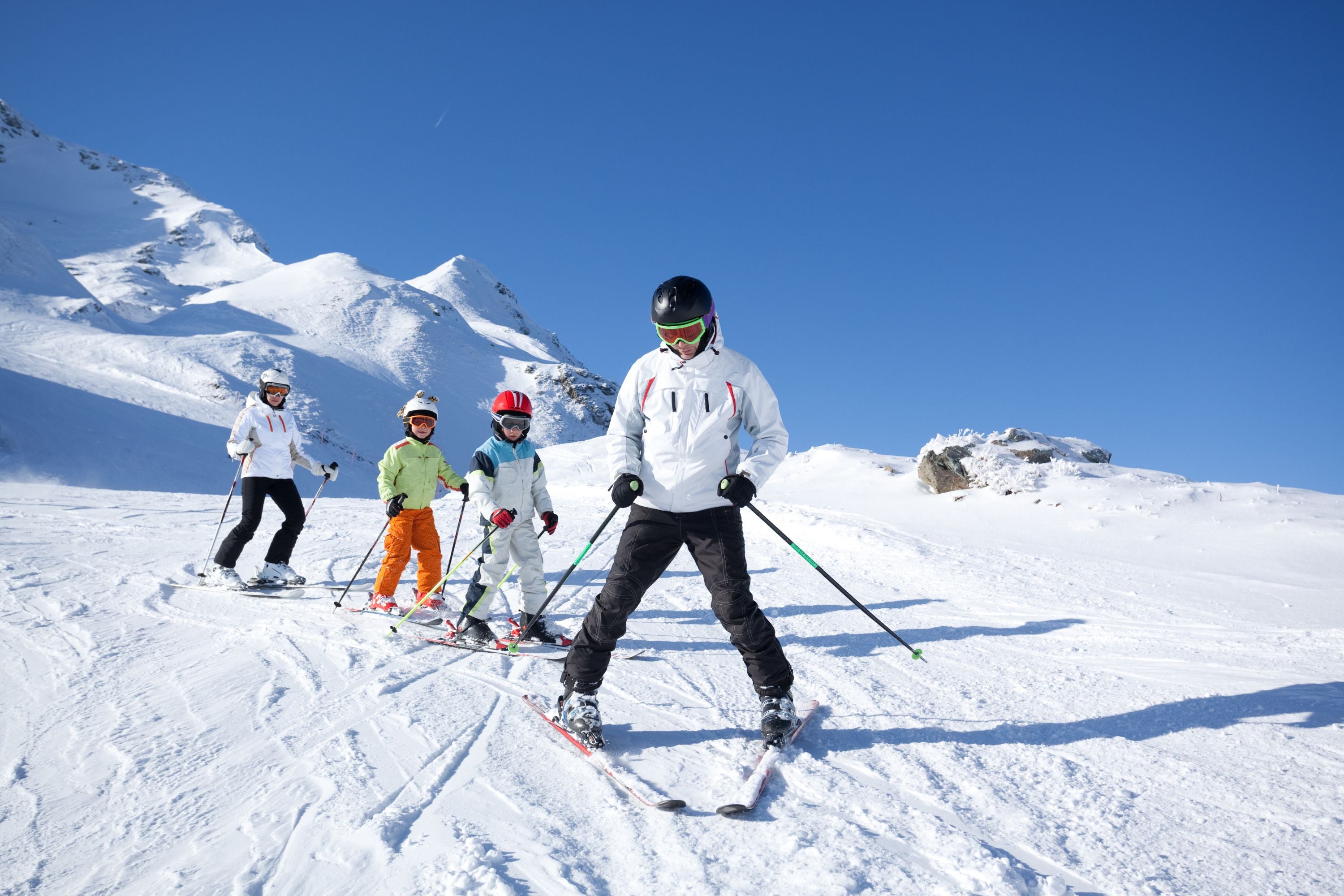
Japan is one of the most popular destinations for ski and snowboard instructors. Here you’ll find world-class powder snow, long winter seasons, and convenient transportation.
Beyond skiing, Japanese culture itself is a huge attraction:
-
Relaxing in hot springs after work.
-
Enjoying sushi, ramen, and izakaya meals on your days off.
-
Experiencing the world of anime and gaming culture first-hand.
-
Seasonal events such as snow festivals and winter fireworks.
👉 For many, Japan isn’t just a place to work—it’s a once-in-a-lifetime cultural experience.
2. Skills & Requirements
-
Skiing/Riding skills: International instructor certifications (CSIA, NZSIA, BASI, APSI…) are highly recommended.
-
Language: English is essential, but being able to speak Chinese, Thai, or Korean is a big advantage.
-
Personality: Safety awareness, patience, and adaptability to small ski-town life.
3. Visa & Legal Requirements
According to the Immigration Services Agency of Japan, you must meet one of the following conditions to work legally as an instructor:
-
Athlete Background
-
Competed in the Olympics or World Championships.
-
-
Teaching Experience
-
At least 36 months of teaching experience with proof of employment.
-
-
Certifications
-
Level 1 or higher ski/snowboard instructor license from:
Argentina / Australia / Canada / Germany / UK / Italy / New Zealand / Korea / Japan -
Or hold the ISIA Stamp.
-
📎 Reference MOJ PDF
4. If You Already Have Teaching Experience
-
Advantage: International certifications or 3+ years of teaching.
-
Visa types:
-
Sports Instructor Visa
-
Special Activity #50 Visa (for ski instructors)
-
-
Application deadline: Most schools finish hiring by the end of August to allow time for visa processing.
5. Working Holiday Visa (WHV): The Easiest Entry Route
The WHV is the fastest and most flexible way to enter Japan as an instructor:
-
Who can apply? Both beginners and experienced instructors.
-
Age: 18–30 (some countries up to 35, e.g., Australia, Canada).
-
-
Advantage: Schools prefer WHV holders since no visa sponsorship is required.
-
Flexibility: Even if you miss the August deadline, some schools still hire WHV instructors in Oct–Nov.
-
Duration: Usually 1 year.
-
2-Year Option: Citizens of Canada, UK, New Zealand, Germany, Ireland, Slovakia, Denmark, Austria can apply for a second WHV, making it up to 2 years in Japan.
-
Strategy:
-
Beginners → Enter Japan with WHV → Take Level 1 → Gain teaching experience.
-
Experienced → Use WHV for quick entry → Later switch to Sports Instructor Visa / Special Activity #50 if staying longer.
-
6. Life as an Instructor in Japan
-
Salary: ¥2,500–¥6,000 per hour
-
Language bonus: Chinese and Thai speakers often receive better pay and more assignments.
-
Benefits: Accommodation, lift pass, insurance, training.
-
Challenges: Harsh weather, long working hours, language barriers.
7. Conclusion & Recruitment
Japan has a huge demand for multi-lingual instructors. Whether you’re an experienced pro or a newcomer, there’s a pathway for you.
And coming to Japan isn’t just about the snow:
Enjoy sushi and ramen, explore the world of anime and gaming, and soak in hot springs surrounded by snow. For many, a season in Japan is an unforgettable life experience.
👉 We’re Hiring!
Sora is now hiring Ski & Snowboard Instructors for the 2025–26 winter season in Japan.
Join us for a season of powder, culture, and adventure:
🔗 Apply here